
THE STABLE’S CHATS: WHAT IT TOOK TO REACH THE TOP
…and what it takes to be there.
Junior creative to ECD, CCO or creative partner isn’t everyone’s destiny. Some burn out long before the reach the top layers. Some get stuck on the middle rungs. How did those powerhouses at the top get there? Great work, great leadership potential, a great partnership, working harder than everyone else…a lucky encounter…?
This Chat asked 13 top creatives to tell their stories – from Jim Ingram (pictured above) to Nisheeth Srivastava in India; Ruben Goots in Brussels to Tara McKenty in APAC...Because how you got there and what is keeping you buzzing helps advertising creativity strive higher.
They told great stories. (Is that the definitive answer?) Here they are (in alphabetical order).
Cary Murnion, Executive Creative Producer, Honor Society Films, Los Angeles, USA
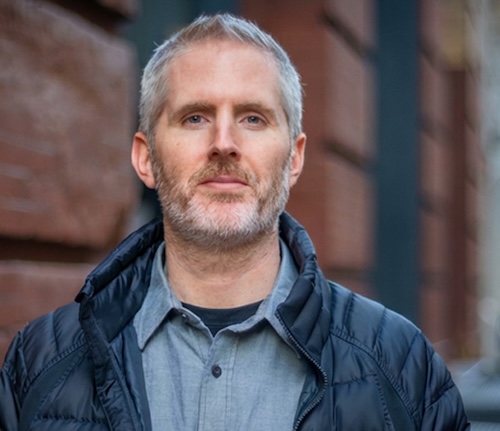
I didn’t arrive at being an Executive Creative Producer through some grand master plan. Jon Milott, my longtime creative partner, and I mostly just kept cultivating things and chasing whatever creatively excited us at the time. Design, animation, music videos, weird and wonderful digital projects, commercials, films. Some of it worked brilliantly, and some of it crashed and burned. But even the failures ended up being valuable, and they taught us that nobody is coming to say, “Hey, you’re ready now”.
One of the biggest advantages for me was never separating creativity into strict categories. Working across digital, commercials, animation, and feature films gave me a much broader understanding of storytelling and problem-solving. Advertising taught us precision. Film taught us patience and tone. Digital taught us speed and adaptability, and eventually all those elements bled together. The biggest thing I’ve learned is that sustaining a creative career is really about protecting the part of you that made you interesting in the first place. The industry quietly rewards people for becoming safer, smoother, easier to explain and mold. But the creatives I admire still have some danger in them, and they advocate for things they care about. Their work still feels like it cost them something.
Now, everything feels unstable again. New platforms, fractured audiences, changing production models, and AI, of course. It’s messy and chaotic. But honestly, I get nervous when creativity becomes too optimised, too explainable, too polished. When that happens, something real was lost along the way.
Read the full article HERE.