
The Mechanics of Storytelling in Editing with Zeke O’Donnell
The Bandit Edit award-winning editor on his procedural process to starting an editing project, as well as the rhythmic nature of editing, as part of LBB’s Finely Sliced series.
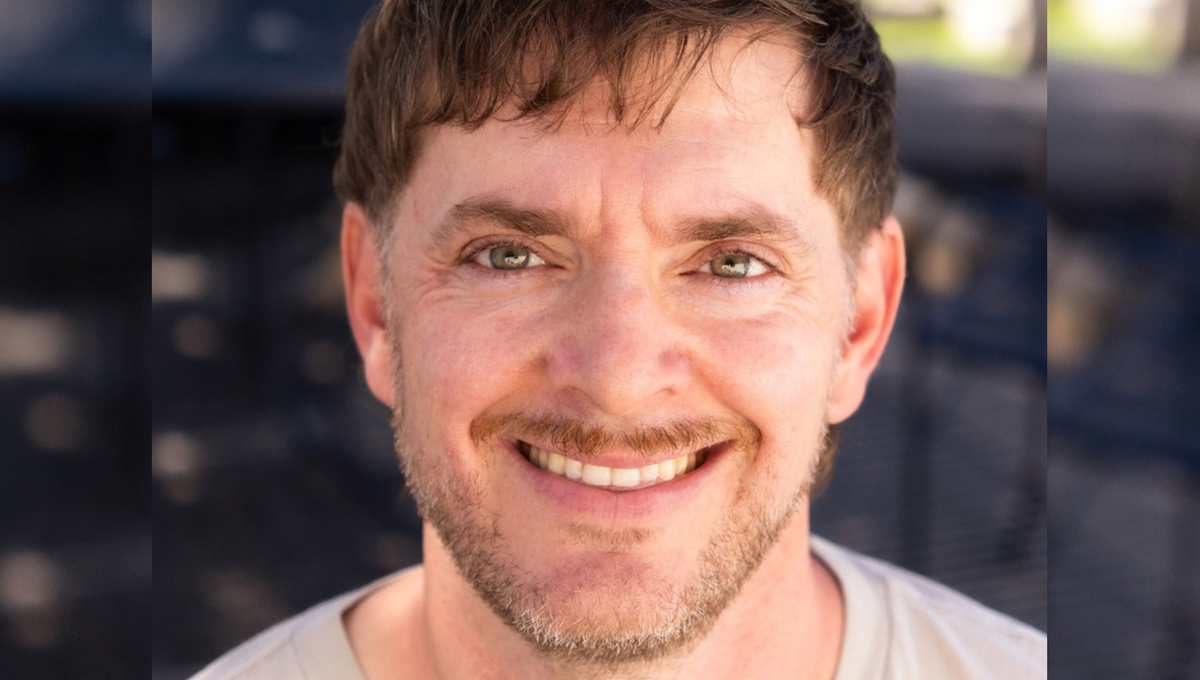
For close to two decades, Zeke has worked at Bandit Edit, a post production boutique located in the Flatiron District, New York City. He’s worn many hats over his tenure including editing, motion graphics, directing, and photography; producing content for advertising agencies.
This site is dedicated to the work Zeke has overseen from start to finish as a director but also often as an editor, writer, cinematographer, and creative director.
Zack sat down with LBB to discuss his favourite part of the editing process, his proudest work and split screens.
LBB> The first cut is the deepest: how do you like to start an editing project?
Zeke> Looking at fresh footage is sort of like opening a gift and not knowing whether it’ll be socks or a shiny new bicycle. It’s also very procedural, and since I have done hundreds of projects at this point, I know to just dive in and have fun with it!
LBB> Non-editors often think of editing just in technical terms, but it’s integral to the emotion and mood of a film. How did you develop that side of your craft?
Zeke> Maybe it’s best to describe it like riding a bicycle, since I am in the bicycle metaphor mood. When you first start to learn to ride a bike, you’re mostly thinking about how to keep yourself from falling down.
But once riding is second nature, you can take in the world around you, navigate traffic, go off-road, think of your route as you’re moving, etc. With editing, after you know exactly how to use all of the tools, your mind can take a step back and really focus on the bigger-picture tone of the project as you weave your way through an edit.
LBB> How important is an understanding of story and the mechanics of story?
Zeke> I think most editors have a very strong sense of story. When I am mining through a short documentary piece, I often look for sound bites that start and end the piece as a first task. If we don’t use editing to lead a viewer down a logical path that has some cohesive thread, we lose them. Story is what sucks people in, after all.
LBB> Rhythm and a sense of musicality seem to be intrinsic to good editing (even when it’s a film without actual music) – how do you think about the rhythm side of editing, how do you feel out the beats of a scene or a spot? And do you like to cut to music?
Zeke> Editing is very rhythmic, even if it’s an arrhythmic edit. Sometimes, breaking rhythm is powerful. I suppose that is what is finessed as one builds an edit. I will sometimes edit to music and other times add music after and tweak to vibe with the music. An edit should work with and without music, ideally. The edits I love the best are the ones that feel like they create their own rhythm rather than simply cutting to a beat.
LBB> Tell us about a recent editing project that involved some interesting creative challenges.
Zeke> I did a piece for the Family Health Project, an organisation that gives young mothers-in-need a monthly cash stipend. It was shot documentary-style with real mothers who had never been on camera.
The thing about interview-driven video is that sometimes a subject is very verbose and can provide great sound bites, and other times it’s the editor’s job to lift up a subject and help make them sound more profound.
We wanted the film to feel a bit elevated to a creative space rather than a traditional interview/B-roll doc, with a bit more of an intentional, slower pace. In order to create some depth, sound design was utilised to add a layered feel with a chorus of reverberated voices. I was very happy with how it turned out.
LBB> In the US, we know that editors are much more heavily involved across the post production process than in Europe – what’s your favourite part of that side of the job?
Zeke> My favourite part is trying to create something that both the director and the agency will love. It’s ideal if everyone can be happy. You occasionally get to play the role of ‘hero.’ Of course, it doesn’t always go that way, but when it does, everyone pats me on the back, including myself.
LBB> What’s harder to cut around – too much material or not enough?
Zeke> Too much material is better than not enough. Too much means that we get to choose. I suppose there is a bit of a tyranny of choice, but isn’t that better than ‘the only choice’?
LBB> Which commercial projects are you proudest of and why?
Zeke> There are too many to choose from, so I am going to go to a recent project for Dove Men regarding a full-body deodorant. It’s a comedy spot with sort of a Comic-Con cast of characters. In the sound design, my voice can be heard speaking from a magical staff, uttering the word ‘balls.’ It’s just a very silly career milestone.
LBB> There are so many different platforms for film content now, and even in advertising, something can last anything from a few seconds to a couple of hours. As an editor, are you seeing a change in the kind of projects you’re getting from brands and agencies?
Zeke> Well, now we’re looking at a lot of projects that are vertical versus horizontal. That’s the biggest thing. Everyone loves their smallest screen. And of course, we’re often making shorter pieces. I’m excited to see where the evolution takes us next!
LBB> Who are your editing heroes and why? What films or spots epitomise good editing for you?
Zeke> I don’t have an editing hero – just editors that I am jealous of. The best editing seems both intricate and effortless at the same time.
LBB> How does editing in the commercial world differ from the film world and TV world?
Zeke> I have mostly lived in the commercial world, and although I have done a feature, some work on a show, and music videos, I am not totally sure I am qualified to answer this. I think mostly I would say that commercial work is ultimately about a product and selling this product, so often we have to lose some of our creative babies in the service of commerce. Also, approval processes are quite different.
LBB> Have you noticed any trends or changes in commercial editing over recent years?
Zeke> Yes, split screens are now stacked on top of one another in a random but aesthetically pleasing way, versus how they used to be separate boxes with black frames around them. More quick picture montages for stylish flashes. When will the clock wipe come back? I really want to start using that again.